SAP IBP Inventory in 14 days

INSPIRATION

Across industries, inventory planning is still treated as a set of static rules rather than an active planning discipline. What begins as a reasonable attempt to protect service levels gradually turns into a collection of inherited parameters, manual overrides, and reactive decisions. As demand patterns change and supply networks become more complex, inventory logic fails to evolve at the same pace. The result is an environment where inventory exists everywhere in the organization, but clarity, ownership, and fact-based decision-making are missing.

Across industries, we repeatedly observe the same patterns:

Static safety stock rules

Defined historically and rarely challenged, even when demand and supply conditions change.

One-size-fits-all inventory targets

A single value applied across entire product ranges, ignoring variability and service requirements.

Limited network visibility

Inventory is managed locally, with little understanding of upstream or downstream impacts.

Excess stock and frequent stock-outs

High inventory levels coexist with poor availability and service failures.

Unclear ownership and decision logic

Inventory exists everywhere, but responsibility for decisions is fragmented or undefined.

HOW WE DO IT

14 Days

1. Clean Foundations

2. Core Planning Logic

3. Fast Feedback & Governance

The Inventory in 14 Days sprint is a focused, hands-on approach to move from static inventory rules to a fact-based planning process. The sprint is delivered over two structured weeks: Week 1 focuses on defining scope, validating data pragmatically, designing inventory policies, and setting up a working SAP IBP Inventory model; Week 2 shifts to optimization and decision-making, with inventory simulations, exception-based dashboards, and a joint review to validate targets and align on next steps. In just two weeks, teams gain transparent inventory targets, explainable decisions, and measurable trade-offs, providing the confidence to act, adapt, and scale, or stop if it’s not the right fit.​

WHAT YOU GET

Fact-Based Inventory Targets

Move from static stock rules to inventory targets driven by demand and supply variability. Safety stock and service levels are clearly defined, measurable, and explainable, replacing assumptions with facts.

Single / Multi-Level Inventory Optimization

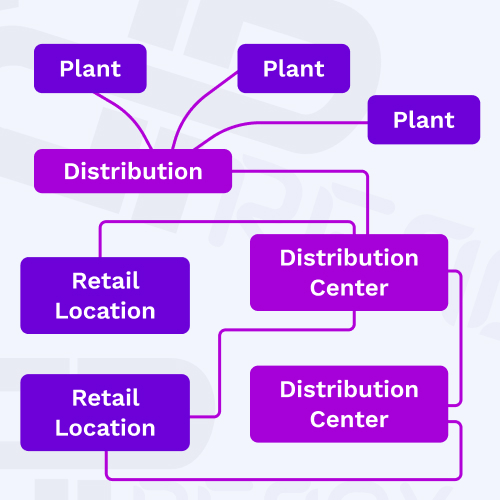
Inventory is positioned where it protects service most effectively. Depending on scope, optimization is applied at single or multiple levels across plants, DCs, and suppliers, revealing real trade-offs across the network.

Exception-Based Inventory Views

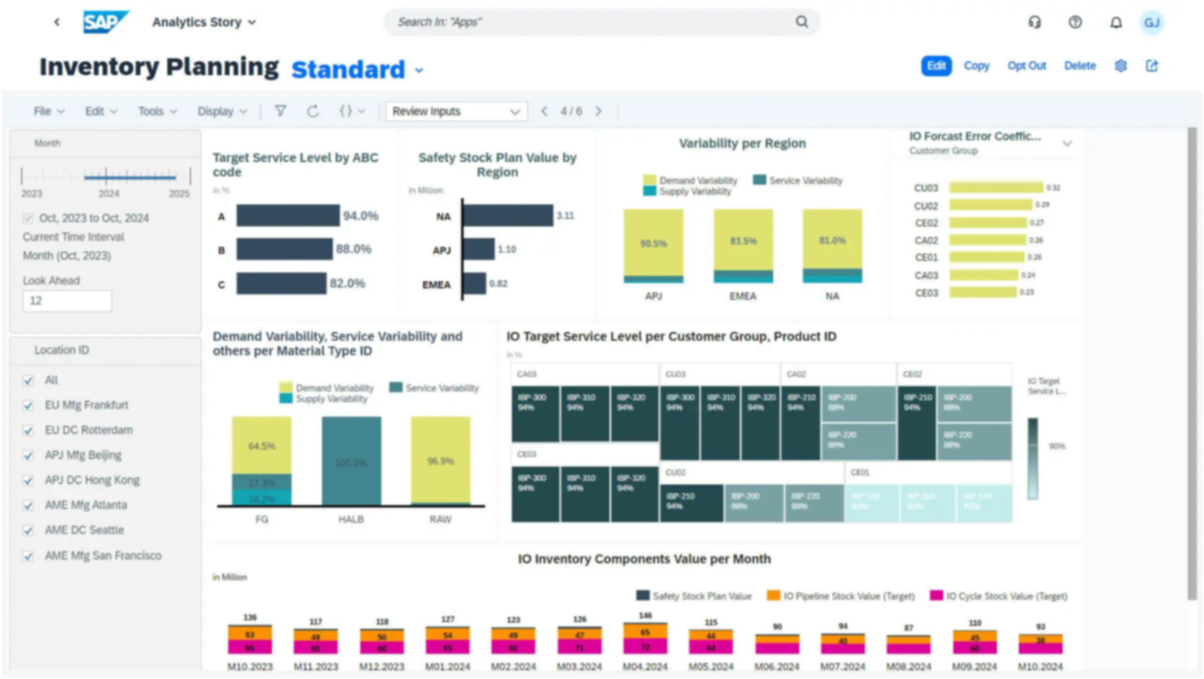
Inventory risks are highlighted automatically, allowing planners to focus on what actually requires attention. Overstock, stock-out risks, and imbalances are surfaced through exception-based views rather than full data reviews.

Inventory Scenario Simulation

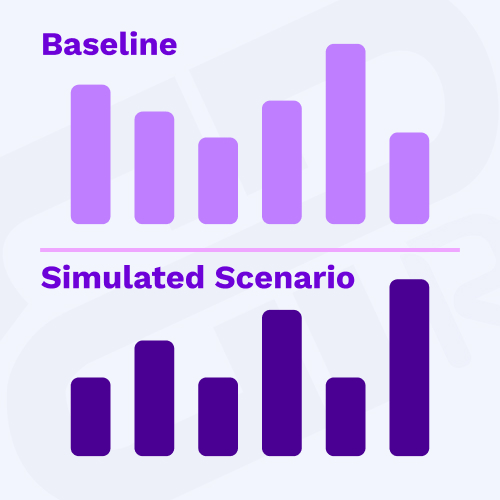
Inventory strategies can be tested before execution. Different service levels, variability assumptions, and optimization approaches are compared side by side, turning discussions into fact-based decisions.

Management-Ready Inventory Transparency

Inventory planning becomes visible and understandable beyond the planning team. Management gains clear views into inventory exposure, service risks, and capital impact, without relying on spreadsheets or manual explanations.

A Foundation You Can Scale - or Stop

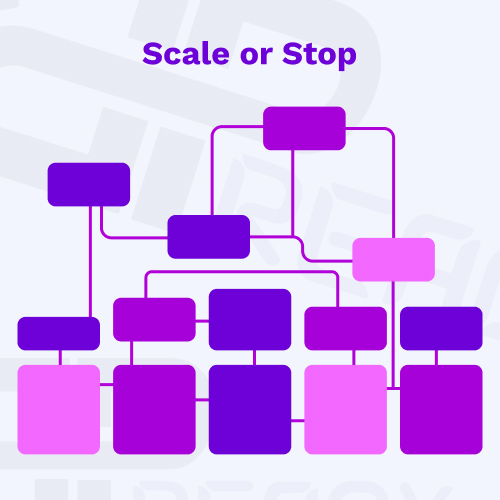
At the end of the sprint, you have a running inventory planning process in SAP IBP. You can confidently scale further, or stop, based on real results, not assumptions.

FAQ

No. The sprint uses a pragmatic data sanity check focused on usability, not perfection. The goal is to validate inventory logic and decisions, not to wait for ideal data.

It can be either. Depending on scope and maturity, we configure single- or multi-level inventory optimization across plants, DCs, and suppliers.

Typically supply planning, finance, and operations. The sprint aligns inventory ownership and decision logic across functions without requiring a large team or heavy IT involvement.

It’s a live setup. All inventory targets, simulations, and dashboards run directly in your SAP IBP environment using your data.

That’s the point. The sprint is designed to surface gaps and trade-offs early, before committing to a larger rollout or long-term program.

You decide. You can scale the inventory model further, refine it iteratively, or stop if it’s not the right fit, based on real results, not assumptions.

Check out some of our case studies

Fill out the form to learn more about our IBP in 14 Days approach and get in touch with our team.